

I’ve been in town a month today and it surprises me that is the first time that I am writing about this.
Rugby. A distinctly British sport, founded at the Rugby School in 1823. One that I have played for the past five years. One that has brought me tremendous joy. One that introduced me to some of my best friends in the world who I love absolutely and ferociously. One that represents a culture of rugged athleticism, brotherhood, binge drinking, celebration and bawdy revelry with traditional songs, humor and purity of spirit.
Today I visited Twickenham, the spiritual and competitive home of English Rugby for the first time to see the Sale Sharks play the London Harlequins, as a guest of Ben Cohen.

Ben is a gifted professional rugby player happens to be dashingly handsome as well as a gay icon due to his commitment to tolerance and eliminating homophobia in sport, while being one of the most visible straight allies in the gay community. He has done public service announcements and consistently walks the walk and talks the talk. Today also was the first union match for the second half of the season for my club, the club I led for the better part of the past three years, the Seattle Quake RFC. The Quake was tied for second place going into today’s match and it made me pretty emotional to be five thousand miles away. But more on Ben and the Quake’s match later…..
Twickenham is a village dedicated to rugby. It is where the English international team plays, in a massive 82,000 seat stadium, as well as the London Harlequins Premiership pitch called the Stoop, an intimate pitch which seats 14,000. The fans are extremely dedicated, even down to the restaurants – with garden gnomes dressed in international rugby shirts in the windows.

The weather was a beautiful day for rugby – chilly, misty, rainy – it makes the pitch softer when you get tackled, and it introduces a level of unpredicatbility into the play that makes for a more interesting match. Rugby can be a brutal game, but is thrilling to watch and breathtaking to play. Fifteen people on a muddy pitch of grass, relying on each other, their talent and grit to get the ball across the try line. It is two halves of mostly non-stop action, with rules that are hard to learn at first, but basically boil down to a few key principles: stay behind the ball, do not pass forward and rely on your brothers to help you and the other fourteen of you on the pitch to get the ball across the line. Yeah, yeah, there are penalties, conditions and rules of scrummage that you can learn on your own time. But, all you need to know is the heart and soul that breathes through the entire team. On or off that field, you will do anything for them. It is what makes this game a sport, and turns boys into men, and men into athletes.
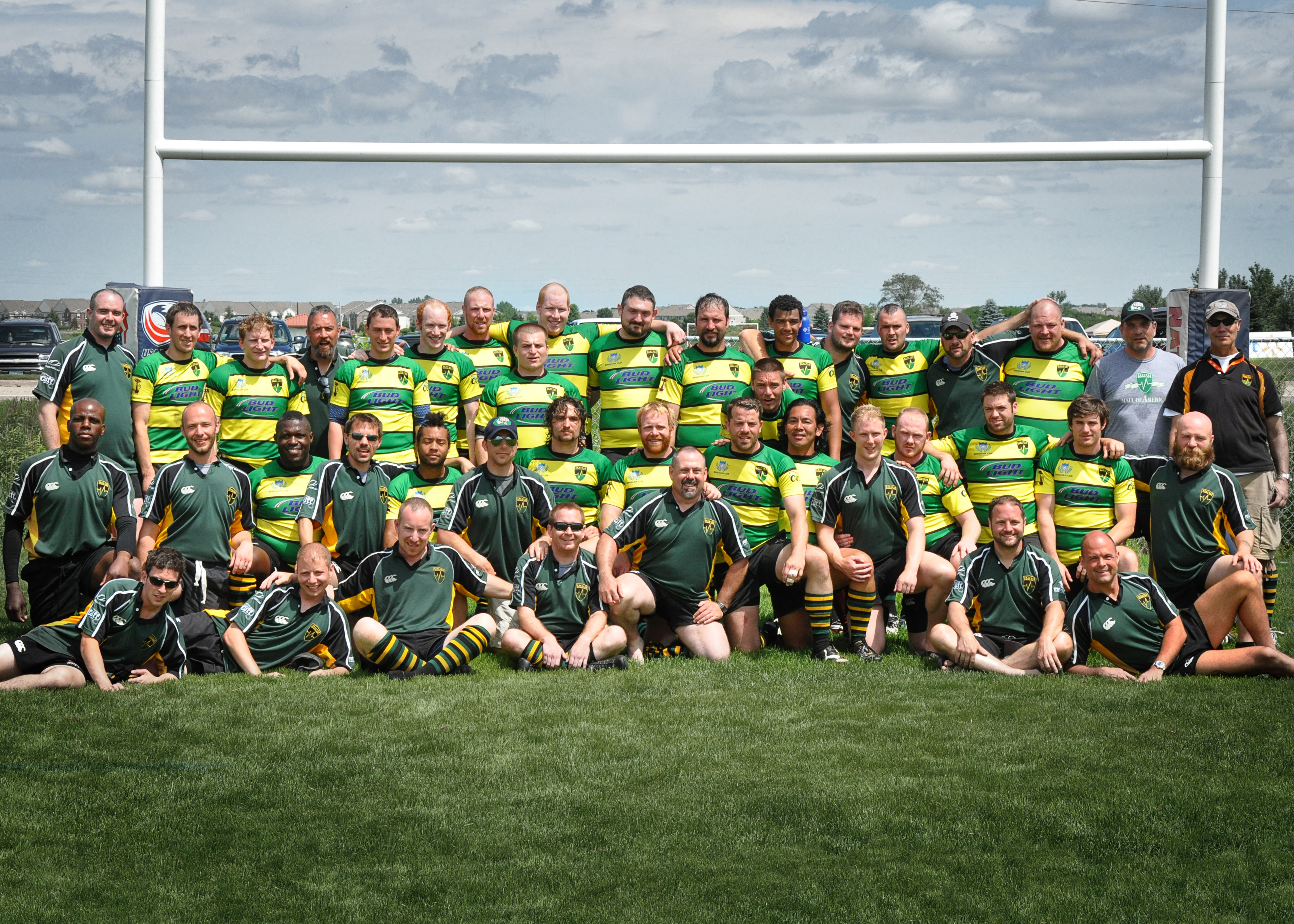
Given that, there are a couple things that make the Quake and others like them about more than rugby. The Seattle Quake is a primarily gay team, started nine years ago in the spirit of Mark Bingham – killed in United 93 on September 11, of which the Bingham Cup gay rugby world championship is named. The Quake stands for bringing rugby to underrepresented people in the sport – gay men and people of color – while being extremely competitive, community leaders and exceptionally open, showing that sexual orientation is a non-issue in sport. Some of the most spirited about the issues of gay rights are the straight ally members of the club, bringing their children to events like Pride Marches, Fundraisers and team barbecues to teach them the values of tolerance and the importance of eliminating homophobia in sport, not just at the adult level, but in the schools as well. The Seattle Quake also puts on the North American gay rugby championship in odd numbered years called Magnitude 15’s, a tournament I helped run in 2007 and hosted as President in 2009. The next one is May 27-30, 2011.
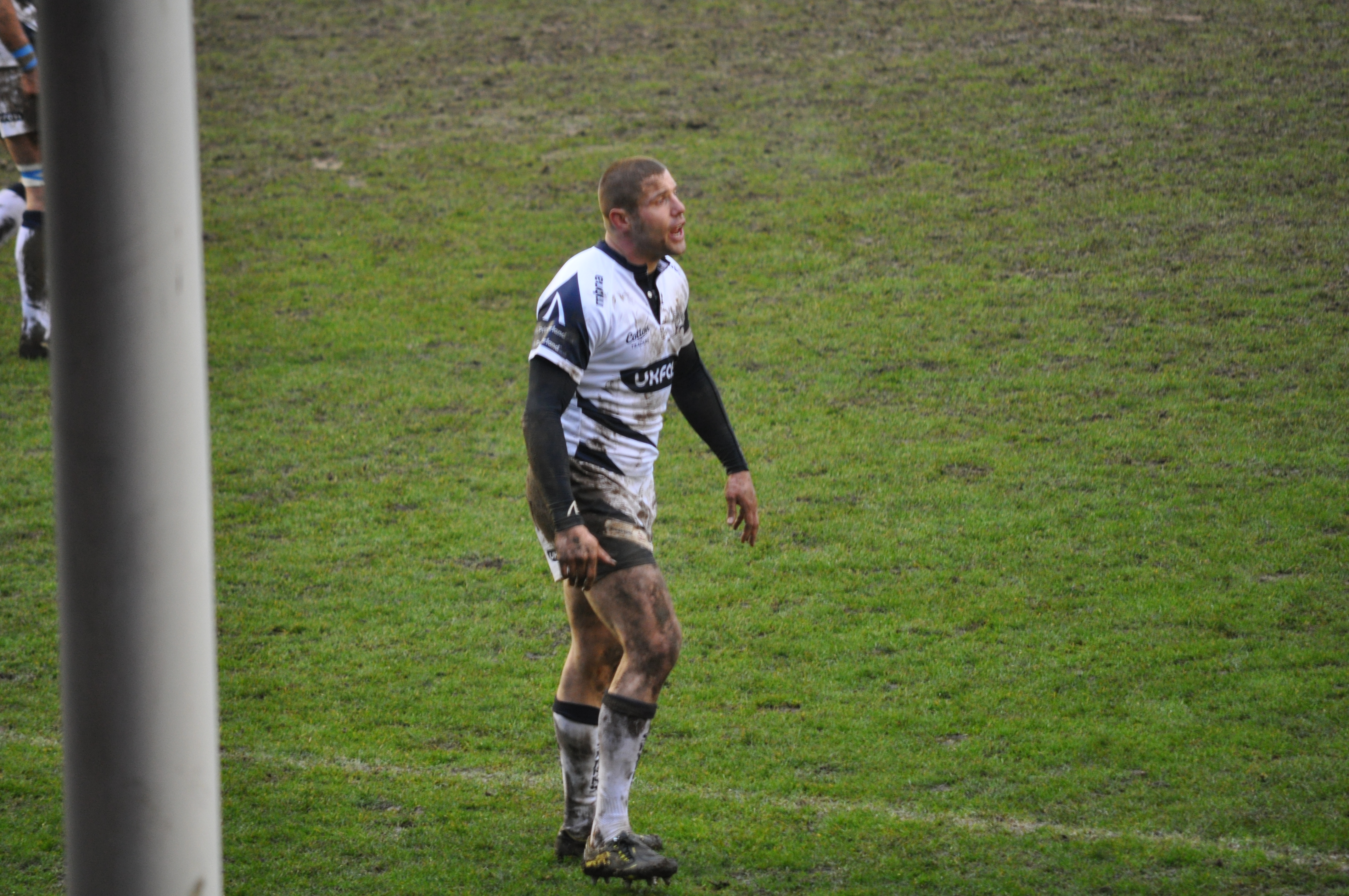
Ben Cohen is coming to Seattle this year as a special guest of the Quake to Magnitude 15.11, hosted this year at Seattle’s Magnuson Park, home pitch of the Quake and one of only a few tournament rugby pitches in the state of Washington. Ben is in the process of starting a foundation that is dedicated to eliminating homophobia in youth, amateur and professional sports and has been recognized by GLSEN and one of their All-Stars, a program designed to recognize straight allies. He happens to be the first international figure that they recognized due to his commitment to tolerance. I met Ben in Manchester two weeks ago and I will sound like a total fan boy in my comments about him. Ben is the athlete that every gay kid who was bullied in school wished would stand up for them. He is a dedicated dad of twin girls, genuinely interested in everyone he meets, and exudes leadership quality from the words that come out of his mouth to his presence on the pitch and in any setting. The depth of the conversation that we had about homophobia in sport and his commitment is beyond admirable, and extremely welcome.
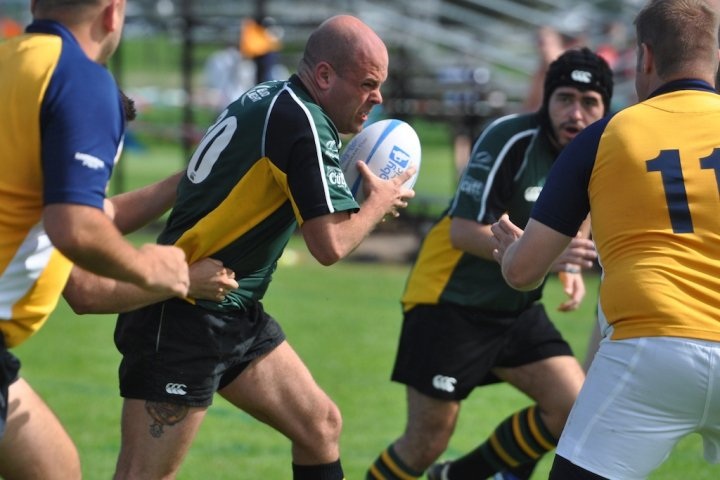
Growing up, I had no gay athletic role models. The stereotypes of gay people in 1970’s America were represented in popular culture by the celebrity images of Paul Lynde, Liberace and Charles Nelson Reilly – tarted up, self hating queens that would never have been caught dead playing a sport. Those stereotypes were just as fake then as they are they are today, as none of those things truly reflected on the men that they were. I was a gay kid who played hockey and figure skated (ok, yeah – huge stereotype there), but I was brought up with athletic ideals and the dichotomy did not make sense to me. Why were there no adults who were like me who played sports? Was it bad to be gay? It took me years to reconcile my self image with the fact that I could be gay and an athlete and a leader in my communities AND be successful at it. No child should ever have to go through that type of psychological chaos without the love and support of everyone around them. Ben Cohen and others like him show that it is possible to be extremely talented, while being very grounded and exceeding the expectations of the overall athletic ideals that my coaches taught me. I am honored to know him.
Anyway, without rugby and the Quake, I would not be here on this wonderful experience in London. The Quake and rugby have made me a better man, a better leader and a better person – one with a set of ideals and integrity that will make me successful in all that I do. I can hardly contain myself for the Magnitude tournament in May, when so many powerful teams that support tolerance and bust stereotypes meet a very visible straight ally, fighting for their rights alongside them.
By the way, the Quake A side won their match today – 27-15, moving into an uncontested position at second place in the Pacific Northwest Rugby Union. I could not be more pleased.
 American Expat in London
I’m sorry…how can you possibly be a gay icon if you’re straight? Is the suggestion that gay people should look up to Ben Cohen because he’s so tolerant? Or is the suggestion that because he’s so good looking many gay men worship him? Or is the suggestion that many gay men worship him because he’s so tolerant? I don’t get it…
I think he’s a truly decent human being and a role model for everyone. Look at him as an athlete compared to Tiger Williams! What a train wreck THAT man is!! I think Ben Cohen’s work is tremendously important in dispelling the lunacy that if you have gay friends, or treat gay people like human beings, then you’ll become gay or you secretly ARE gay. His message, from what I can see, seems to be about tolerance, acceptance, diversity, and respect. And although I know practically nothing about the man, I can pretty much guarantee these qualities exist independently of who you sleep with.
If I was Ben Cohen, I’d much rather go through this life being known as exceptional athlete and a positive role model, than a gay icon.
I think you’re missing the point.
LikeLike
To be fair, there are other gay icons that are straight, mostly women (Cher, Judy, Barbra, etc…) The suggestion is that EVERYONE should be like Ben Cohen in our level of tolerance, acceptance, diversity and respect. And, you are absolutely right about everything in paragraph two.
I’m not going to speak for Ben, but in the times that I’ve met him, I think he’s comfortable with all three of those labels. I don’t believe that you can state that I’m missing the point based on one blog entry and photo caption. You don’t have to agree with me, it’s my point of view.
LikeLike